Practical steps to reduce sheep lameness this winter
With winter nearing, managing lameness in Irish sheep flocks is crucial to maintaining productivity. Expert Jake Delaney outlines effective strategies to identify and treat lameness, emphasising prevention and swift intervention across farms nationwide.
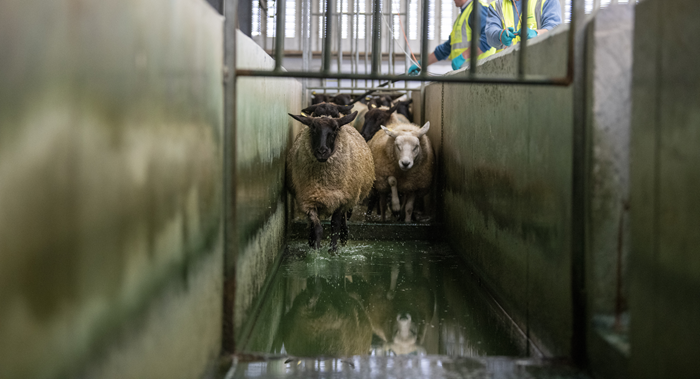
As the winter season approaches and many farmers have already drafted large numbers of lambs for sale or slaughter, Jake Delaney highlights the perfect timing to address the persistent challenge of lameness within sheep flocks.
The initial step involves assessing the current prevalence of lameness by simply observing sheep grazing in the field. Ideally, flocks should maintain lameness levels at or below 5%, meaning no more than five lame sheep per hundred.
Where this target is achieved, it is essential to promptly identify and treat lame sheep to sustain low infection rates. However, if lameness exceeds this threshold, stronger management interventions become necessary to limit its impact on flock welfare and productivity.
Key management practices to reduce lameness
- Treat lame sheep as quickly as possible to prevent disease spread and reduce severity. Veterinary guidance should be sought for appropriate treatments.
- Create a separate ‘lame group’ post-weaning by drafting affected animals away from the main flock. This group should be placed near handling facilities for easy monitoring and further care.
- Manage pasture conditions diligently since persistently wet and muddy areas encourage lameness. Frequent relocation of feeders or troughs on outwintering sites helps prevent infection build-up.
- Use cubicle lime in wet, mucky spots such as feed barriers and water troughs during housing periods to reduce lameness risk and maintain dry bedding.
- Identify and treat lame sheep before housing and isolate those with infections to curb transmission. Regular inspections of pens are advised.
- Cull persistently lame ewes—defined as those experiencing more than two lameness episodes in a year—before the breeding season.